Category: Products
Hotline
Tel: +86 133 1175 6197
WeChat: L13311756197
Email: postmaster@suoqi-cable.com
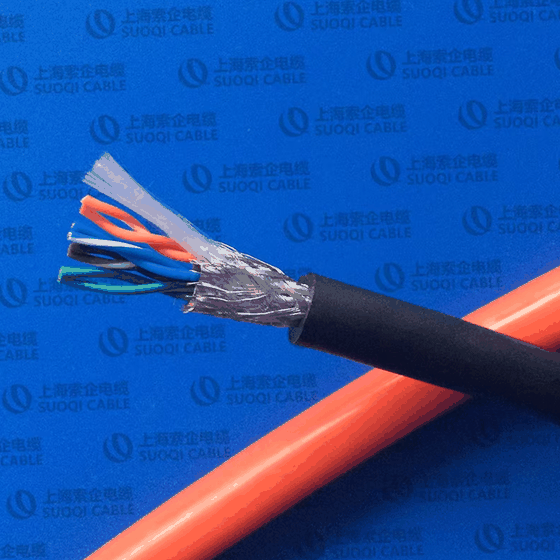
Scenarios such as marine monitoring and underwater aquaculture require high data transmission; conventional cables cannot withstand seawater corrosion and humid environments, causing severe signal attenuation and communication interruptions. Shanghai Suoqi anti-seawater network cables are designed for underwater video transmission conditions in marine monitoring, using a highly flexible and bending structure, high-purity oxygen-free copper conductors, twisted wires, aluminum foil shielding, tin-plated copper main shielding, and outer sheaths made of seawater-resistant polyurethane PUR, ensuring stable underwater signal transmission. The cables feature wear resistance, oil resistance, and corrosion resistance, and are widely used in underwater and other fields. Shanghai Suoqi cables are sold directly from the source factory, with multiple cores and specifications customized on demand, ample stock, nationwide shipping, and a consultation hotline 13311756197.
Product Features
Product Electrical Parameters Rated voltage: 0.6/1KV and below Voltage range customizable; Temperature range: -40~90°C; Bending radius: 7.5~8*D (for mobile use); ---
Application scenarios
Industrial automation, machinery manufacturing, port terminals, and mining operations
Customized services
Direct sales from Shanghai Suoqi cable factory source, supporting on-demand customization of multiple core counts and specifications. Ample stock available, nationwide shipping. Consultation hotline: 13311756197
Selection Tips
For underwater video transmission in marine monitoring scenarios, it is recommended to use a highly flexible, bending-resistant structure with multi-core specifications. To extend service life, tensile components can be added or sheath materials can be replaced.
