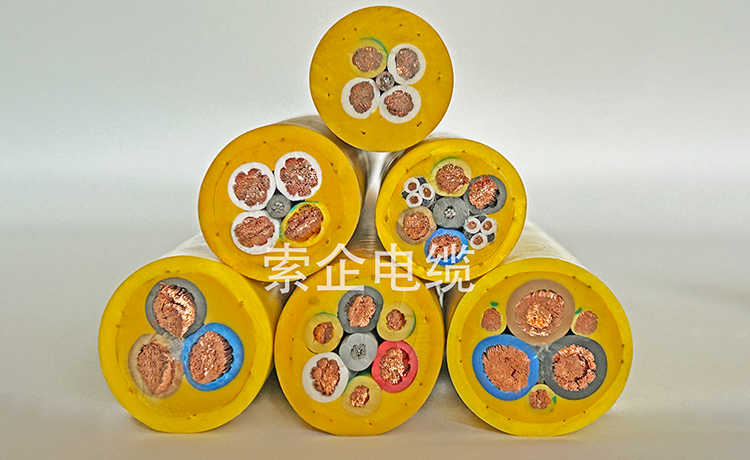
Category: Reel Cable
Hotline
Tel: +86 133 1175 6197
WeChat: L13311756197
Email: postmaster@suoqi-cable.com
During long-term use, scraper drum cables are prone to frequent bending, mechanical wear, environmental corrosion, and other factors, leading to malfunctions. Below is a comprehensive guide to troubleshooting loader drum cables:
Types and causes of faults:
Mechanical wear: Due to repeated bending, the outer sheath is prone to surface wear and scratches. The main causes include improper pulling during operation, improper installation, and collisions with sharp objects in the on-site environment.
Insulation aging: Long-term exposure to high temperatures, ultraviolet rays, and chemical media causes insulating materials to gradually harden and crack, reducing insulation performance. This results from the degradation of the material's own properties combined with environmental factors.
Conductor Fracture: Repeated bending may cause localized fractures in the multi-strand copper core due to fatigue, affecting overall cable transmission performance. This is usually the result of long-term fatigue accumulation and localized stress concentration.
Environmental corrosion: In acidic, alkaline, or oil-stained environments, chemical reactions may occur between the cable's outer sheath and insulation layer, causing corrosion, discoloration, or even cracking. This not only reduces the cable's insulation performance but may also cause safety issues such as short circuits.
Troubleshooting methods:
Appearance inspection: After each work cycle, conduct a comprehensive inspection of the cable's appearance, focusing on whether the outer sheath has scratches, cracks, peeling, or aging, and check for excessive wear or tearing of the cable, paying special attention to vulnerable areas such as the reel inlet and guide rail bends. At the same time, check whether cable connection points are secure and whether there are signs of looseness or oxidation.
Electrical performance testing: Use a multimeter to measure whether the conductor resistance and insulation resistance are within the normal range, and perform a continuity test on the grounding of the shielding layer. If the cable contains signal lines, test the signal integrity and noise interference level to determine whether there are conductor breakage, short circuits, or poor insulation.
Operating status monitoring: Devices such as temperature sensors and stress sensors can be used to monitor cable operation status in real time. If abnormal temperature or excessive bending frequency is found, an on-site inspection should be conducted promptly to check for local overheating or uneven force distribution.
Fault Handling Measures:
Circuit break: After confirming the wire is interrupted from start to finish, if there is a local fracture, remove the insulation layer at the broken point, connect with crimp terminals, and seal the outer layer with heat shrink tubing; If the fracture is severe, replace the wire or the entire cable.
Short circuit fault: Confirm the short circuit location. If the insulation is damaged, repair the damaged insulation. If the damaged area is large or difficult to repair, relay the cable or replace the damaged section.
Poor contact fault: Clean oil stains and oxide layers from wire contact surfaces, apply waterproof conductive paste, then retighten wire connection points. If necessary, add a metal waterproof junction box.
Preventive maintenance measures:
Proper installation and operation: During installation, ensure the cable is laid flat and winded evenly to avoid mechanical damage caused by localized stress. Operators should handle the cable gently and avoid severe pulling and compression.
Regular maintenance and inspection: Develop a detailed routine maintenance plan, including cleaning, inspection, lubrication, and replacement when necessary. Organize professionals to carry out repairs promptly for any issues found during inspections.
Data Recording and Experience Feedback: By establishing maintenance archives, we analyze the frequency and causes of various faults, analyze on-site data, and adjust maintenance frequency and methods for high-failure areas.
